 By Casey Rivers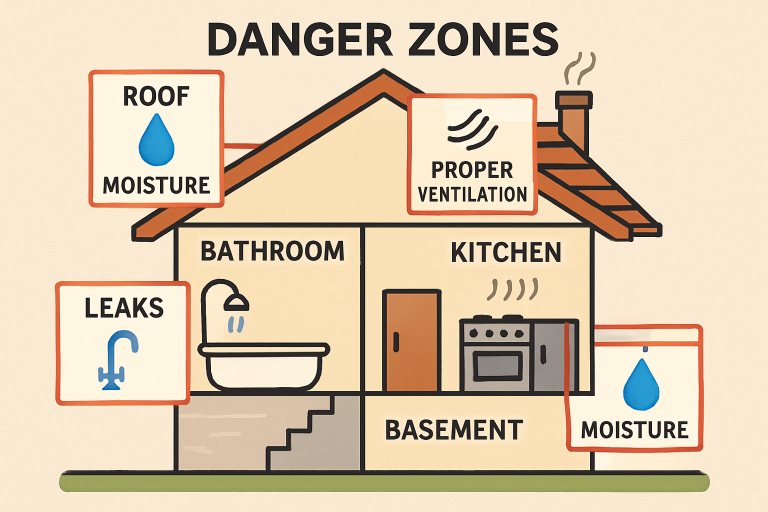
Mold can be a silent invader in many households, often growing unnoticed until it becomes a health issue. Because of the risks it poses, especially for those with allergies or compromised immune systems, understanding preventative strategies and safe removal techniques is critical. For those already experiencing symptoms, exploring proper mold poisoning treatment is an important step in protecting your health.
Maintaining a healthy home environment requires more than just cleaning visible spots. Mold can grow in hidden areas, making it essential to address moisture and ventilation before issues get out of hand. Even small amounts of mold can trigger problems, so prevention and early response are crucial for keeping your living space safe.
Homes with children, elderly residents, or individuals with respiratory conditions must be especially vigilant. Ensuring a mold-free living space helps protect everyone’s health and comfort and supports general well-being. Mold-related illnesses are preventable with the right knowledge and tools, giving you control instead of mold.
The more you know about what causes mold and the strategies available to eliminate it, the easier it is to maintain a clean, healthy environment year-round. Addressing the causes of mold, not just the symptoms, decreases the likelihood of recurring issues and improves overall air quality at home.
Understanding Mold and Its Health Impacts
Mold belongs to the fungi family and thrives in damp, humid conditions. Spores are almost always present in indoor and outdoor air, but they become problematic when they land on wet surfaces. Mold exposure can trigger an array of health concerns, particularly in sensitive individuals. According to the Centers for Disease Control and Prevention (CDC), common symptoms from mold exposure include nasal congestion, throat irritation, coughing or wheezing, and skin irritation. Extended exposure increases the risk of more severe respiratory issues and infections, especially for those with compromised immune systems or asthma. Preventing mold growth is often easier and more cost-effective than dealing with the health complications that can arise if it is ignored.
Common Causes of Household Mold
Several household situations and maintenance issues can provide the perfect environment for mold to grow. Some of the most common sources include:
- Water Leaks: Persistent leaks in roofing, walls, plumbing, or around windows allow water to accumulate, often in unseen areas.
- High Humidity: Homes with consistently high humidity (above 60 percent) provide favorable conditions for mold growth, and everyday activities such as cooking, showering, and drying clothes indoors can increase moisture levels.
- Poor Ventilation: Without proper airflow, moisture can build up in rooms like kitchens, bathrooms, and basements.
- Flooding: Any water damage caused by flooding or significant leaks will leave surfaces damp long enough for mold to establish itself if not dried quickly and thoroughly.
Effective Strategies for Mold Prevention
Addressing potential mold risks before they become major issues involves a proactive approach to moisture control and airflow. Some effective mold prevention strategies include:
- Control Humidity Levels: Use dehumidifiers and air conditioning to keep indoor moisture between 30 and 50 percent. Properly maintain these appliances to avoid internal mold buildup.
- Ensure Proper Ventilation: Install and use exhaust fans in kitchens and bathrooms. Open windows regularly to improve airflow throughout your home, especially in potentially damp areas.
- Fix Leaks Promptly: Check plumbing, roofs, and walls for leaks. Repairing them quickly prevents long-term moisture buildup.
- Use Mold-Resistant Materials: Choose mold-resistant drywall, insulation, and paints for high-moisture areas when building or renovating.
Safe Mold Removal Techniques
If you discover mold in your home, addressing it quickly and safely is crucial. For minor outbreaks, personal protective equipment such as gloves, goggles, and an N95 respirator is recommended. Scrub away small patches with water and detergent, but avoid bleach, as its fumes can be harmful and it may not be as effective as other options. After cleaning the area, ensure it is thoroughly dried to discourage regrowth. Items that are difficult to clean, such as ceiling tiles or carpeting, may need to be discarded if mold is present. It is also helpful to dispose of absorbent materials that have been heavily contaminated, since mold can penetrate porous materials and become nearly impossible to fully remove, potentially causing issues down the line if not dealt with properly. In some situations, utilizing a HEPA vacuum after cleaning can help remove remaining spores from hard surfaces. Always ensure the area is well ventilated during and after the cleaning process to help speed drying and limit ongoing mold growth.
When to Seek Professional Help
In some cases, tackling mold on your own may not be enough. The EPA recommends hiring professionals if mold covers more than 10 square feet or if you suspect a problem in your HVAC system. Remediation companies are experienced in identifying the underlying source, fully removing contaminated materials, and ensuring a safe environment for occupants. If health symptoms persist despite your cleaning efforts, consult with medical professionals and consider a full home inspection to uncover hidden sources. Professionals also use advanced equipment, such as air scrubbers and industrial dehumidifiers, which allow them to achieve a deeper level of cleaning, further reducing the risk of mold recurrence after remediation in your home. Engaging professionals can also help ensure that mold does not spread to other parts of your home during cleanup or restoration, which is especially important for homes with extensive contamination or ongoing moisture problems.
Maintaining a Mold-Free Home
Routine household maintenance helps keep your home mold-free in the long term. Conduct regular inspections in moisture-prone areas, including basements, attics, crawl spaces, and bathrooms. Address any leaks or spills by drying the area thoroughly within 24 to 48 hours to prevent mold from gaining a foothold. Use a hygrometer to monitor indoor humidity and adjust ventilation or dehumidifying equipment as needed. Remember, even after mold is removed, vigilance is essential, as environmental factors and weather can introduce new moisture that allows mold to reappear. A regular routine of monitoring, maintenance, and promptly addressing issues is the key to ensuring lasting protection against mold in your living spaces. Staying educated about the signs of mold and the latest recommendations for household care further enhances your ability to respond quickly to any potential problems before they escalate.
Final Thoughts
Implementing these strategies helps keep your living space healthy, preserving indoor air quality and preventing mold-related health complications. Ongoing vigilance, prompt action, and targeted cleaning will ensure your home remains a safe place for all residents. Never underestimate the value of a proactive approach; with regular checks and the right prevention tactics, you can significantly reduce your risk of mold-related issues and contribute to a healthier household over time.