 By Casey Rivers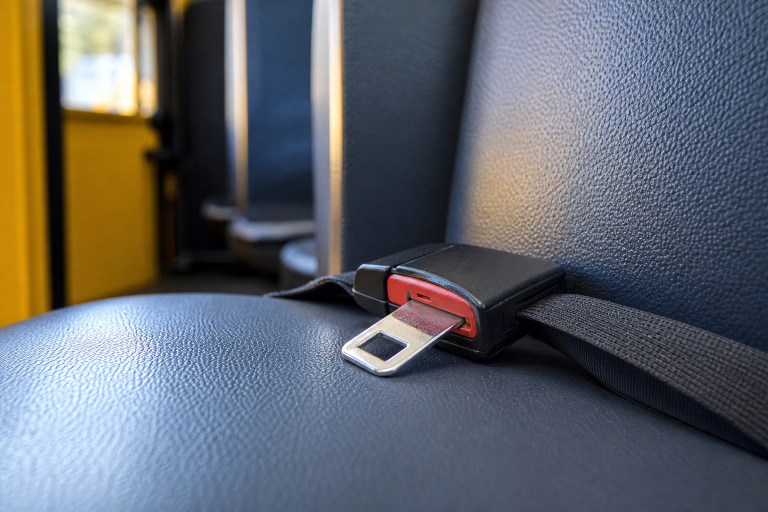
Moving a group is more involved than reserving a vehicle and sharing a departure time. School staff, coaches, camp leaders, event planners, and families must coordinate people, supervision, pickup areas, luggage, equipment, parking, and unexpected changes. A late field-trip departure, for example, can affect admission times, meals, event check-in, and the return schedule. For organizers in Northeast Pennsylvania, local experience can make that process easier. Caruth Bus Lines offers school transportation, charter service, shuttles, and event travel throughout Northern Pennsylvania, with a fleet that includes school buses, a mini-coach, and a Sprinter van. Its experience transporting students and local groups makes its school bus charter Wilkes-Barre service information a useful starting point for planners comparing options for student outings, sports travel, camps, and community events.
Start With a Clear Trip Profile
Before requesting quotes, create one shared trip summary. It reduces back-and-forth and helps providers recommend a vehicle that meets the group’s real needs.
- Passenger count, including teachers, coaches, chaperones, and drivers if applicable
- Pickup and drop-off locations, dates, departure times, and expected return time
- Destination entrance, bus parking rules, security procedures, and loading zones
- Accessibility, mobility, medical, dietary, or supervision needs
- Luggage, instruments, coolers, uniforms, sports gear, or other bulky items
- Expected stops, meal breaks, and possible schedule changes
Do not rely only on the passenger count. A group of 40 students with band instruments has different needs than 40 wedding guests traveling a short distance.
Match the Vehicle to the Group
Each vehicle type has a practical role. School buses can suit local student trips; minibusses may work well for smaller groups; passenger vans can accommodate limited headcounts; and motorcoaches can be appropriate for longer trips that require more comfort, storage, or onboard amenities. Confirm the actual vehicle rather than assuming every provider operates the same fleet.
- Choose smaller vehicles when the group is compact, and the route has tight access or limited parking.
- Choose larger vehicles when keeping the group together improves supervision and simplifies attendance checks.
- Ask about essentials such as air conditioning, luggage capacity, accessibility features, seat belts, legroom, and restroom access for longer travel.
Build Safety Into the Route
Travel time is only one part of route planning. Review where passengers will wait, board, cross streets, unload, and regroup. Consider traffic speed, weather, low-clearance areas, construction, event congestion, and whether the destination has a safe bus turnaround. The NHTSA school bus stop and route planning toolkit is a useful resource for evaluating stops, walking paths, route risks, and the needs of children and other vulnerable road users.
For school groups, identify a backup pickup area and a clear meeting point at the destination. This is especially important at museums, stadiums, campuses, airports, and downtown locations where buses may need to park away from the entrance.
Ask Better Questions Before Choosing a Provider
Price matters, but it should not be the only point of comparison. Ask each provider for clear answers about licensing, insurance, driver qualifications, maintenance, cancellation terms, day-of-trip contacts, and what happens if a mechanical problem affects the assigned vehicle.
- Is the carrier properly licensed and insured for this type of trip?
- How are drivers trained, screened, and assigned?
- What inspection and maintenance procedures are followed?
- Will the vehicle fit the group, equipment, and trip length?
- Who should the trip leader contact during a delay or emergency?
Plan Carefully for Schools, Teams, and Camps
Youth groups need an extra layer of organization. Assign students to specific vehicles or supervised groups, keep emergency contacts and relevant medical information readily accessible, and complete headcounts before departure, after every major stop, and before returning home. The driver is responsible for operating the vehicle safely, but teachers, coaches, and chaperones must remain responsible for student supervision. Athletic travel also requires a realistic loading plan. Account for uniforms, equipment bags, coolers, training supplies, and medical kits before choosing the vehicle. Avoid filling aisles or emergency-exit areas with gear.
Review Driver and Vehicle Safety Details
Before leaving, confirm emergency exits, fire extinguisher locations, seat belt availability, and basic passenger expectations. The National Transportation Safety Board’s 2026 school district charter vehicle safety checklist recommends selecting carriers with strong safety records, proper licensing and insurance, lap-and-shoulder belts where available, and a pre-trip safety briefing. Passengers should know how to wear belts properly, locate exits, and respond in an emergency.
Leave Room for Delays and Keep Everyone Informed
Build extra time into the schedule for boarding, headcounts, restroom breaks, parking, security lines, meals, unloading, and traffic. Monitor weather and road conditions, promptly communicate schedule changes to the driver, and prepare a simple contingency plan for a delayed return or a road closure. Send families and staff one easy-to-find message with pickup details, destination information, return expectations, what to bring, behavior rules, and a reachable trip contact. For children, review boarding procedures, seating expectations, and regrouping instructions before the vehicle arrives.
Day-of-Trip Checklist
- Vehicle, driver, passenger list, and emergency contacts confirmed
- Pickup area, route, backup route, weather, and traffic reviewed
- Equipment and luggage loaded safely
- Safety briefing and head count completed
- Return meeting point and communication plan confirmed
Common Questions About Group Transportation
How early should a group reserve transportation?
Reserve as soon as the date, passenger count, and destination are known. Spring field trips, graduations, tournaments, camps, and holiday events can create limited availability.
What should a transportation request include?
Include dates, times, locations, passenger count, vehicle preferences, accessibility needs, trip purpose, equipment requirements, and expected stops.
Should a group request a written quote?
Yes. A written quote should identify the vehicle, include time or mileage, waiting time, fees, cancellation terms, and potential extra charges.
What is the most common planning mistake?
Underestimating time. A route that looks simple on a map may still require significant time for loading, attendance checks, parking, meals, and security procedures.
Conclusion
Safer group transportation begins with small decisions made early. A clear trip profile, a suitable vehicle, a reviewed route, a capable provider, a realistic timeline, and a consistent communication plan can help students, athletes, guests, and community members arrive calmer, safer, and ready for the day. Planning also allows organizers to identify potential challenges, prepare backup options, and ensure everyone understands pickup points, schedules, and expectations. Whether the trip involves a school activity, team event, corporate outing, or community gathering, thoughtful transportation planning reduces confusion and improves the overall experience. By focusing on safety, comfort, reliability, and coordination, groups can create smoother journeys while giving participants and organizers greater confidence from departure to arrival.