 By Casey Rivers
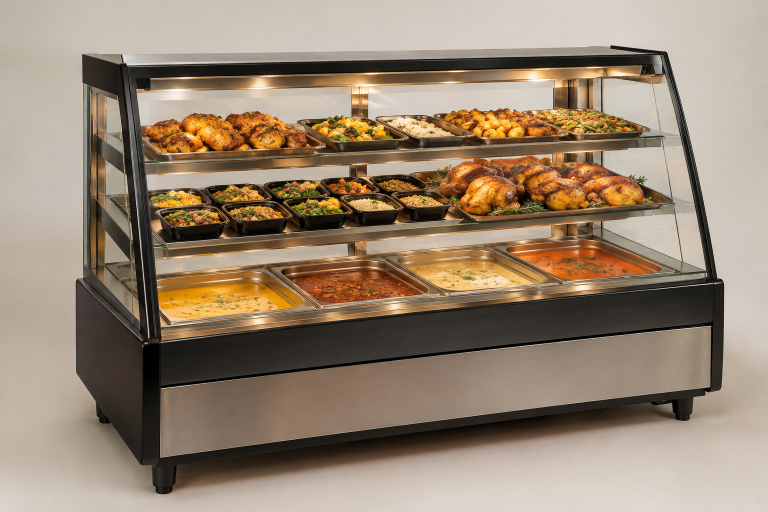
Prepared food can turn a routine retail visit into a convenient meal occasion. For grocery stores, convenience stores, cafeterias, and food halls, a hot display should help customers choose quickly while giving employees a practical way to serve, restock, clean, and monitor food throughout the day.
Equipment selection is part of that system. Dallas, Texas-based Atlantic Food Bars has more than 75 years of experience designing and manufacturing food merchandising equipment for operators ranging from independent locations to larger retailers. Its gallery of hot food displays includes options for packaged hot foods, full-service bars, self-service configurations, combination cases, and mobile layouts, making it a useful reference point for matching a display to a specific menu and store footprint.
Why Hot Food Merchandising Deserves More Attention
A hot food display affects more than presentation. A clean, organized and well-stocked display can support quick lunch decisions and encourage add-on purchases. On the other hand, dry food, cluttered signs, empty pans, poor lighting, or unclear prices can make customers hesitate. A convenience store near offices, for example, may improve the lunch experience by keeping its best-selling prepared items visible along the main path to checkout and replenishing them in smaller, fresh-looking batches.
Start With Food Safety, Not Appearance
Every display decision should begin with the operation’s approved food safety procedures and local health requirements. The 2026 FDA Food Code is a model resource for retail and foodservice safety practices, but it is not, in itself, the law in every jurisdiction. State, county, city, tribal, and territorial rules can differ, so operators should follow the requirements enforced where they operate.
Appearance still matters, but it cannot compensate for weak temperature control or inconsistent handling. Establish written procedures for receiving, cooking, hot holding, monitoring, corrective action, cleaning, and employee training. Staff should know who is responsible for each check and what to do when a result falls outside the operation’s approved limits.
Build A Simple Temperature Control Routine
- Confirm that the equipment is clean, preheated, and functioning before loading food.
- Verify food temperature with a clean, calibrated thermometer before it enters the display.
- Record checks at planned times during each service period.
- Recheck food after adding a fresh batch, changing settings, or moving product between units.
- Remove or handle items that do not meet the operation’s approved safety standards.
Temperature control also protects quality. Food may remain safe under an approved procedure yet become less appealing when held too long. Moisture, texture, color, and flavor can all decline, so operators should test each item for both safety and eating quality throughout its expected holding period.
Choose The Right Display Format For The Menu
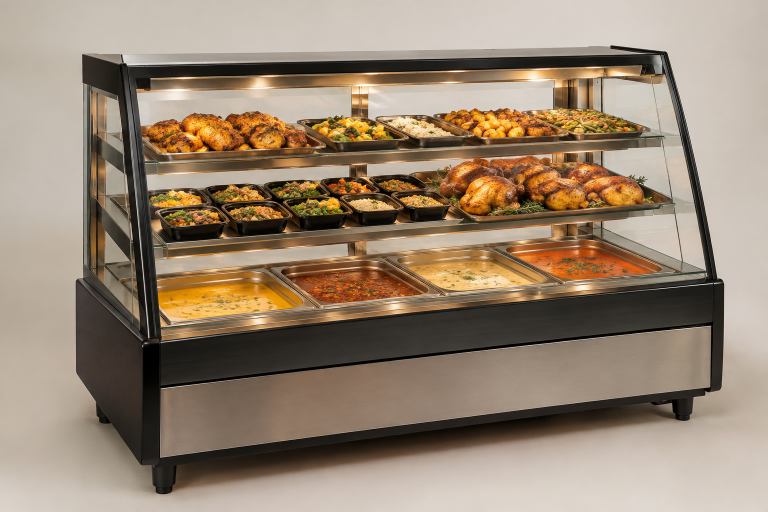
- Bulk service: Useful for staff-served entrées, vegetables, carved meats, soups, and sauces.
- Self-service: Helpful for fast-moving programs where customers need convenient access.
- Packaged grab-and-go: Well suited to pizza, wings, sandwiches, breakfast items, and complete meals.
- Combination service: Practical when one area needs staff service alongside packaged selections.
- Mobile service: Useful for events, seasonal programs, food halls, or layouts that change often.
Protect Food Quality During Holding
Different foods need different conditions. Sauced dishes and soups generally need moisture retention, while fried foods can lose their crisp texture if trapped in excess steam. Pan depth, covers, ventilation, heat distribution, and the time on display should be tested using the actual recipes and packaging used in service. A display should be evaluated during busy periods, not only when it is first stocked.
Use Batch Planning To Reduce Waste
A fully loaded display is not always the strongest. Smaller, fresher batches can look more appetizing than large pans that sit for extended periods. Review sales by hour, prepare conservatively during slower windows, increase production before known rushes, and track waste by item and time. That information can reveal whether a menu item needs a different batch size, a revised production schedule, or a better location.
Make The Display Easy To Read
- Use short product names, clear prices, and labels customers can read without asking for help.
- Include useful details such as serving size, major allergens, spice level, or dietary information when appropriate.
- Keep high-demand products at a convenient reach height.
- Use lighting that presents food naturally, without creating glare on labels or case glass.
- Avoid crowding the counter with unnecessary signs, utensils, and packaging.
Design For Customer Flow And Staff Speed
The layout should reduce bottlenecks for both customers and employees. Put popular items near the main customer path, keep backup pans and packaging near the service area, and leave enough space for safe cleaning and restocking. Payment stations, napkins, condiments, and utensils should be easy to find without blocking access to the food. Ready-to-eat service areas should also remain separate from raw-food preparation activities.
Use Packaging As Part Of The Food Experience
Packaging can either preserve quality or undermine it. Vented containers can help keep crisp foods from developing excess condensation, while sealed containers may better protect foods that need to retain moisture. Consider grease resistance, stackability, secure closures, easy opening, and product visibility. During a lunch rush, for example, wings may need packaging that manages steam, while a prepared meal may benefit from a secure container that keeps components together during transport.
Plan A Daily Display Checklist
- Equipment is clean, switched on, and operating as expected.
- Thermometers are available, clean, and working.
- Food labels, prices, and serving tools are up to date and correctly placed.
- Fresh batches are dated or timed according to local procedures.
- Older, damaged, or poor-quality items are removed promptly.
- High-touch surfaces are cleaned during service, and temperature and waste records are complete.
Common Questions About Hot Food Displays
How Often Should Hot Food Temperatures Be Checked?
The right schedule depends on local requirements, the food safety plan, the equipment, and the menu. Set a written monitoring schedule, assign responsibility, and follow it consistently.
What Foods Work Best In A Hot Display?
Roasted items, baked entrées, pizza, soups, sauces, prepared meals, and appropriately packaged fried foods can work well. Each recipe should be tested for quality through the full intended holding period.
Should Service Be Self-Service Or Staff-Service?
Self-service can improve speed, while staff service can support portion control and customer guidance. A combination setup may be the best fit for stores with varied menus and traffic patterns.
How Can Retailers Reduce Hot Food Waste?
Use smaller batches, sales forecasting, production timing, waste tracking, menu rotation, and regular review of slow-selling products.
Final Practical Recommendations
Set safety procedures before arranging the display. Match the holding method to each food’s texture and moisture needs. Use sales data to guide production, make product information easy to read, and ask staff where serving, cleaning, or restocking causes delays. A successful hot food display does more than keep meals warm. It supports food safety, preserves quality, reduces waste, helps employees work efficiently, and gives customers a reason to buy.