
 By Jude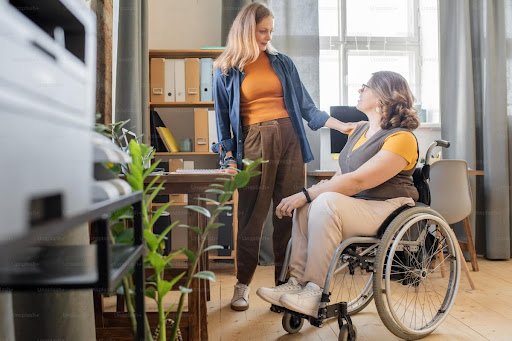
Caring for a loved one at home is an act of commitment, patience, and heart. It’s also a role that can quietly strain your body, your energy, and your peace of mind if the home environment isn’t set up to support both the person receiving care and the person providing it.
Thoughtful home modifications aren’t about turning a house into a hospital; they’re about creating a space that promotes safety, independence, and comfort while protecting caregiver wellness over the long term.
When done right, these changes can reduce injuries, lower stress, and make daily routines feel manageable instead of overwhelming. Whether you’re caring for an aging parent, a partner with mobility challenges, or a family member recovering from illness, a few strategic updates can make a meaningful difference.
Start With the Highest-Risk Areas
Bathrooms and entryways are consistently the most dangerous areas in the home for people with limited mobility. Slippery surfaces, tight spaces, and sudden changes in elevation can quickly turn routine tasks into fall risks. Falls are not minor events; they account for over 800,000 hospitalizations in the United States each year. Many of these injuries happen at home and are preventable with proper design choices.
Zero-step entries are one of the most impactful modifications you can make. Removing thresholds or steps at entrances allows for safer navigation with walkers, wheelchairs, or unsteady bearings. This change benefits caregivers too, eliminating the need to lift or stabilize someone while entering or exiting the home.
In the bathroom, grab bars are essential. When professionally installed near toilets and inside showers or tubs, they provide stable support during transfers and reduce reliance on caregiver strength. Pairing grab bars with non-slip flooring further lowers the chance of falls.
ADA-compliant toilets are another practical upgrade. These toilets sit higher than standard models, making it easier for patients to sit down and stand up safely. For caregivers, this reduces the physical strain of assisting with transfers, which are a common source of back and shoulder injuries.
Design to Reduce Caregiver Strain
Caregiver burnout often stems from repeated physical tasks: lifting, bending, reaching, and stabilizing another person throughout the day. Over time, even small movements add up. Smart home modifications can dramatically reduce this burden.
Adjustable-height countertops are a great example. In kitchens or bathrooms, they allow tasks to be performed at a comfortable level for both seated and standing users. This promotes independence for the person receiving care while preventing caregivers from awkward postures that lead to muscle strain.
Lever-style door handles and faucets are another simple but powerful change. Unlike traditional knobs, levers can be operated with minimal grip strength or wrist movement. For patients with arthritis, neurological conditions, or limited hand function, this can restore autonomy. For caregivers, it reduces the need to step in for constant assistance with basic tasks.
Smart home automation is increasingly becoming a caregiver’s quiet ally. Voice-activated lighting, thermostats, and door locks reduce unnecessary movement for both parties. Imagine adjusting lights without leaving the room or ensuring doors are locked without rushing across the house. These tools not only improve safety but also conserve energy, physical and mental, throughout the day.
Comfort Is About Dignity, Not Just Safety
Home modifications aren’t only about preventing accidents; they’re about preserving dignity and quality of life. When a person can move through their space with confidence, it fosters empowerment, independence, and emotional well-being. That independence also gives caregivers breathing room, allowing them to shift from constant hands-on assistance to supportive supervision.
Wider doorways, better lighting, and clear pathways reduce frustration and anxiety. Thoughtful furniture placement can allow for mobility aids without making the home feel crowded or clinical. Even small details, like placing frequently used items within easy reach, can reduce daily stress for everyone involved.
Caregiver wellness matters just as much as patient comfort. Chronic physical strain and mental fatigue can lead to injury, resentment, or burnout. A well-designed home environment acts as a silent partner in care, supporting you when you need it most.
Why Consulting a Family Nurse Practitioner is a Good Idea
Before making any major changes, consulting a Family Nurse Practitioner (FNP) is a critical first step. FNPs bring clinical expertise that goes beyond general home improvement advice. They understand how medical conditions, medications, and functional limitations interact with a patient’s environment.
An FNP can conduct a comprehensive home safety evaluation, identifying risks that may not be obvious to untrained eyes. They assess mobility, balance, vision, cognition, and daily living needs, then translate those findings into practical recommendations. This ensures that modifications are not only convenient but medically appropriate.
Through the lens of an online DNP FNP program, these practitioners are trained to think holistically. Doctor of Nursing Practice-prepared FNPs integrate evidence-based practice, patient-centered care, and systems thinking. This means they don’t just suggest grab bars or ramps; they consider how each modification fits into the patient’s long-term health plan and the caregiver’s capacity.
They can also recommend specific medical-grade adaptations, such as transfer equipment or specialized bathroom fixtures, and coordinate with occupational therapists or contractors when needed. This collaborative approach helps families avoid costly mistakes and ensures that changes truly support health and safety.
A Home That Supports Everyone
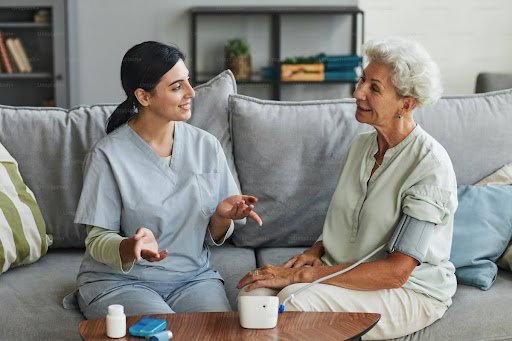
Modifying your home for caregiving isn’t a sign that things are getting worse; it’s a proactive step toward sustainability. By addressing high-risk areas, reducing physical strain, and seeking guidance from qualified healthcare professionals like FNPs, you create an environment where care feels more manageable and humane.
The goal is simple: a home that supports healing, independence, and well-being for the person you love, while protecting your own health in the process. With thoughtful planning and the right expertise, comfort and safety can coexist; right at home.