 By Casey Rivers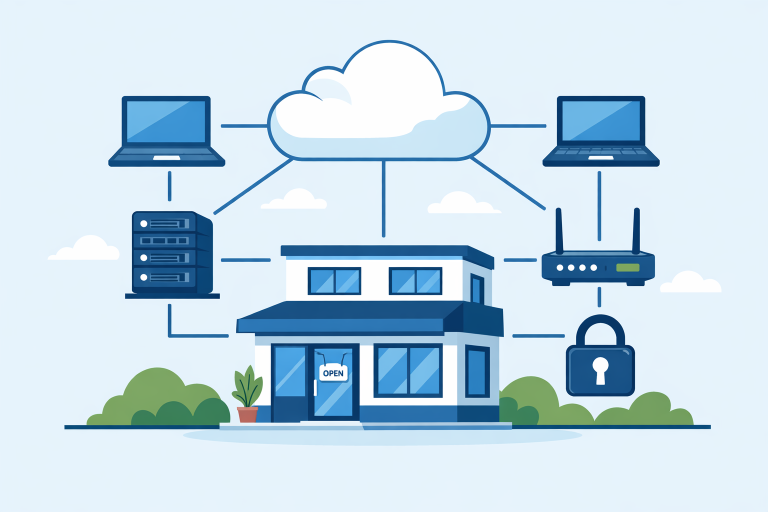
In today’s rapidly evolving digital environment, small businesses are finding it increasingly important to have strong, secure, and adaptable networks. As customer expectations rise and the landscape shifts, making strategic upgrades is essential for remaining competitive and resilient. Whether your business is exploring advanced networking solutions or simply planning the next step, developing a proactive approach can safeguard productivity and support sustained growth.
An optimized network enhances connectivity, supports seamless remote work, and protects business-critical information. Understanding where your infrastructure currently stands and implementing improvements with the future in mind will determine your ability to scale up and adapt. A targeted upgrade is not just about modern hardware; it also includes smarter design, cloud integration, and rigorous security practices.
Upgrades can significantly increase uptime, improve collaboration between hybrid teams, and safeguard sensitive information from common cyber threats. For small businesses, each step forward can improve the quality of services delivered to clients and internal teams alike.
Reliable support services are a vital part of the equation, especially when technical issues arise or new solutions are deployed. Access to dedicated technical support can help reduce downtime, reinforce best security practices, and ensure that every aspect of your upgrade aligns with your strategic goals.
Consulting well-established resources in the IT industry, such as ZDNet’s guide to building small business networks, can further steer your strategy toward best-in-class solutions for your particular needs.
Assessing Current Network Infrastructure
Establishing a clear understanding of your current network capabilities is the cornerstone of any successful upgrade. Start by evaluating your existing equipment and software, mapping all connected devices, and identifying areas where performance lags or outages frequently occur. Pay special attention to hardware age, speed, coverage, and known trouble spots.
Documenting these findings will allow you to prioritize upgrades based on the most pressing business needs. Sometimes, a simple hardware replacement can eliminate a major bottleneck. In other cases, the network design itself may need refining. Enlisting an IT consultant or network professional can expedite the assessment process and ensure that no critical issues are left unaddressed.
Implementing Cloud-Based Solutions
Cloud computing has transformed how small businesses manage operations and data. Migrating select applications and data to the cloud provides scalability and operational agility that physical servers and local software can rarely match. This transition reduces dependency on in-house equipment, lowers maintenance demands, and provides secure remote access for distributed teams.
Consider adopting productivity suites (such as Microsoft 365 or Google Workspace) and hosting business data or industry-specific software on reputable cloud platforms. This flexibility enables employees to access their files and workflows from anywhere, critical in today’s hybrid work environments. Cloud solutions can also enhance data backup and disaster recovery capabilities, giving peace of mind and business continuity in the event of unexpected disruptions.
Enhancing Cybersecurity Measures
Ransomware, phishing, and other cyber threats continue to target businesses of all sizes. To defend against these risks, implement robust firewalls, advanced endpoint protection, and network monitoring tools. Regularly schedule penetration tests and conduct employee security training to identify and mitigate vulnerabilities early.
Establish clear policies for handling sensitive data, mandate strong password protocols, and enable two-factor authentication for critical systems. Frequent software updates and prompt patching of known vulnerabilities are essential for preventing breaches that could disrupt your operations or damage client trust.
Adopting Software-Defined Networking
Software-Defined Networking (SDN) presents a forward-looking way to manage complex infrastructures. SDN facilitates the centralized management of network resources, enabling IT teams to respond quickly to emerging requirements or security threats. Network traffic can be re-routed dynamically, and resources allocated in real-time, supporting both performance and security.
SDN’s programmability and visibility offer significant benefits for businesses operating across multiple sites or rapidly scaling their digital operations. While traditionally associated with larger enterprises, an increasing number of SDN solutions cater to the unique needs and budgets of small organizations.
Ensuring Scalability and Flexibility
Network upgrades should anticipate future growth. Invest in modular hardware, virtualized resources, and flexible cloud plans that can easily expand as your business evolves. This approach minimizes future disruption and helps control costs as workforce size, data throughput, or customer base increases.
The right design allows for temporary surges in demand, integrates emerging technologies more easily, and supports remote work environments.
Leveraging External Resources
Stay informed about current best practices and technological advancements by consulting credible industry publications and government IT advisory sites. Regularly reviewing insights from thought leaders not only ensures compliance with evolving standards but also introduces your business to innovative tools and processes that might otherwise go unnoticed.
Workshops and learning modules, often available from cybersecurity and IT associations, can help your team stay up to date and promote a culture of continuous improvement in network management.
Conclusion
For small businesses, upgrading network infrastructure is an investment in resilience, security, and the capacity for future growth. A careful assessment of your current state, coupled with cloud adoption, enhanced security, and strategic design, provides a solid foundation for ongoing success in a digital-first world. Reliable networking and technical support partners complete the picture, ensuring any issues are addressed quickly and effectively.