
 By Jude
The retail industry has come a long way, and in 2026, the choice isn’t as easy as online or in-person.
You may have thought and heard a lot about how the high street is dying, but it isn’t entirely true. Sure, e-commerce is killing it, but the physical store still plays a mighty big role. No matter how much e-commerce grows, the stats show that the future of retail is leaning more towards a mash-up between old and new approaches.
As a business owner, it’s tough to figure out where you should invest your money.
Most small-business owners are asking themselves whether they want to double down on their online store or pivot to focus more on their brick-and-mortar location. We all think that moving digital can save us a lot in terms of overheads, but truth be told, you’ll just be moving expenses from one place to another.
Let us help you find out how the retail world has changed, and what’s most likely to be best for your business in 2026.
Rise of Omni-Channel Shopper Trend
It’s 2026, and in today’s tight economy, Aussies prefer the omni-channel shopping experience. In other words, they are all over the place. They will compare prices, read reviews, and use their phones to search, but the majority of them prefer the instant gratification of being able to touch products in person when it is time to buy. Sometimes, they buy online, but go to brick-and-mortar stores for returns.
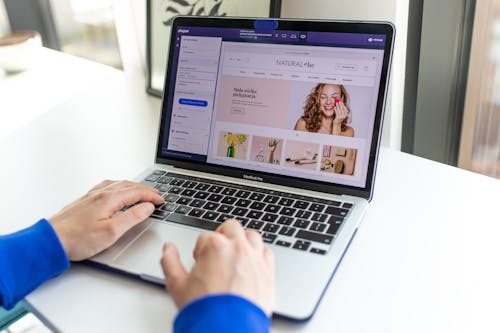
As a business owner, you must make it convenient for your customers to shop. They might purchase something online, selecting to pick it up in a store, or may want to visit an actual store first and then buy the item online for convenience. You need to design a seamless experience on both your digital and physical platforms.
Why Physical Stores are Still in Demand

Physical stores are not dead, like many of us believe. In fact, they have gone through an incredible upgrade. Instead of being places where you buy stuff, they have become more of showrooms and gathering spaces. Customers can check out your products, talk with your team, attend the seasonal sales or workshops you hold.
Yes, the rent might be high, especially in popular shopping destinations such as Chadstone or Westfield Southland. But if you have a physical store, it serves as a permanent billboard for you, often resulting in lower customer acquisition cost (CAC). Unlike digital ads that need you to invest consistently, your storefront continues to work for you every day, driving foot traffic without requiring a continuous ad spend. It is one of the most efficient ways to drive customers, particularly in popular areas.
How to Decide on Your Approach
There are pros and cons to both online and brick-and-mortar stores. So, how will you choose where to invest your precious time and resources?
Ask yourself the following questions:
Who are your customers?
Know who your customers are. Are they likely to buy online, or do they prefer to see your product up close before buying? For example, younger Aussie shoppers may prefer the convenience of shopping online, while others might want to try items before they buy.
What is your product?
If you’re selling something that people need to touch, try on, or test, like clothing or tech gadgets, etc., a physical store can work the best. But if they are equally appealing over the internet, then an e-commerce model can save you the overhead expenses.
No matter which way you approach it, don’t underestimate the importance of reliable suppliers and the quality of your products to keep the trust of your customers. Partnering with a reliable FMCG goods wholesaler like JTC Import Export ensures that your pricing and margins are always healthy, whether you’re selling items online or offline.
Where are you located?
Is your store located in a dense traffic area or in a less accessible area? Paying the rent isn’t a waste if you’re able to draw the attention of people every day. However, if your physical store is in a remote area where many people can’t even see you, then investing in online marketing can help you reach a wider audience.
What’s your budget?
Budget is most often the limiting factor when setting up a business. The digital storefronts are often less costly to build, and you can set your footing in the form of a physical store once your sales are high enough.
The Hybrid Model is The Gold Standard
The magic formula for successful businesses is a hybrid model. Just because you have a physical store does not mean online advertising should be put to rest or vice versa. You still need SEO, good old social media, and offline advertising to get people in the door.
It’s also a great strategy to make Click-and-Collect available for customers, as it allows them to order items online and collect them in-store. This is an easy win for both you and your customers as it builds trust and fosters loyalty. An added bonus? When customers go to pick up in-store, they might do a little extra shopping if your team is accommodating and persuasive.
–
In 2026, almost every business startup is struggling to find the right answer to which business setup will help them grow.
The fact is, there isn’t one answer that fits all.
For some business niches, online stores excel, while for other industries, physical stores are indispensable. Therefore, the ideal approach is to bring the best of both worlds into your business plan.