
 By Casey Rivers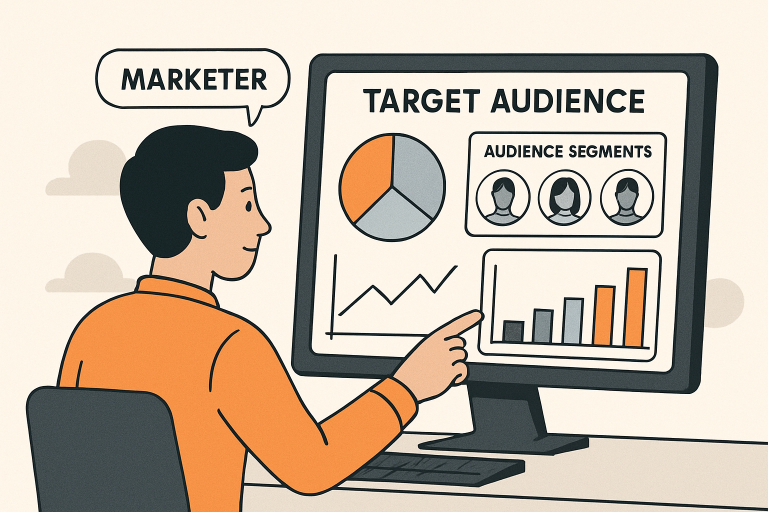
Media buying has become increasingly complex as audiences fragment across platforms and content formats continue to expand. Making informed decisions now requires more than simply choosing where to place ads; it involves understanding how channels interact, how audiences behave, and how budgets can be allocated efficiently to achieve clear objectives. A practical approach to media buying focuses on using data, performance insights, and consistent evaluation to reduce waste and improve overall effectiveness. Rather than relying on assumptions or habits, smarter media buying decisions are built on analysis, adaptability, and a clear understanding of what success looks like.
This guide explores how thoughtful planning and evaluation can lead to better outcomes in today’s evolving media landscape. By examining key considerations such as audience targeting, channel selection, timing, and measurement, it highlights how strategic media buying can support more informed decision-making without overcomplicating the process. The goal is not to promote specific platforms or tactics, but to provide a structured way of thinking that helps marketers and organizations align their media investments with real-world results. Through practical insights and balanced perspectives, this guide aims to support clearer, more confident media-buying decisions.
Understanding Your Target Audience
Effective media buying is rooted in a thorough understanding of audience demographics, interests, online behaviors, and pain points. Start by collecting data from your CRM, social analytics, third-party research, and customer surveys. Segment your audience by age, gender, location, and digital affinity. Such segmentation enables smarter buying by identifying the channels and messaging that resonate most with specific groups.
For example, digital-savvy Gen Z consumers are more likely to engage with brands on TikTok and Instagram, while professionals seeking B2B solutions may frequent LinkedIn or niche trade media. Adjusting your buying strategy to these nuances prevents waste and positions your message for maximum impact.
Setting Clear Objectives
Understand why you’re investing in paid media by establishing clear, measurable campaign objectives before launch. Are you looking to build brand awareness, drive immediate e-commerce sales, or nurture customer loyalty over time? Define success with specific key performance indicators (KPIs) such as cost per acquisition (CPA), website conversions, or overall reach.
With these objectives front and center, it becomes far easier to assess channel performance and justify media spend to stakeholders. Additionally, setting benchmarks early allows you to make swift adjustments if campaign metrics fall short.
Choosing the Right Media Channels
Channel selection is where strategy meets execution in media buying. Different channels cater to different audience preferences and campaign goals:
- Social Media: Effective for brand engagement and targeting niche interests or communities.
- Search Engines: Capture intent-driven leads with timely, action-focused messaging.
- Connected TV (CTV): Enables precise targeting and measurement, giving brands TV’s reach with digital’s agility.
Integrated, cross-channel strategies deliver stronger results than siloed campaigns.
Leveraging Data and Analytics
Every effective campaign is grounded in data. Set yourself up for success by diving into analytics platforms to review past performance, uncover market trends, and monitor competitor activity. Look for patterns in audience responses—such as channels with high engagement or creative assets that drive the most conversions.
Media buyers who invest in robust analytics outperform their peers, using data to optimize spend in near real time. This approach also helps uncover new or underserved audiences, ensuring ongoing growth and relevance.
Budget Allocation and Cost Optimization
Optimizing media spend is critical for maximizing campaign ROI. Allocate budget dynamically based on which platforms perform best for your goals, using regular reporting cycles for ongoing fine-tuning. Two proven cost strategies include:
- Programmatic Buying: Automates ad placements for greater efficiency, enabling more granular control over bids and audiences.
- Direct Negotiation with Publishers: Cuts costs and often delivers premium ad placements tailored to your needs.
Monitor spend continuously to shift budget toward top performers, but remain flexible to capitalize on new growth opportunities as they arise.
Embracing Programmatic Advertising
Programmatic advertising platforms deliver ads across channels using real-time data and automated bidding technology. This not only speeds transactional efficiency but also enables precision targeting at scale. With the arrival of AI-driven media, advertisers now benefit from continually optimized buys that respond dynamically to market changes and audience signals.
The integration of AI models in programmatic systems is rapidly transforming digital advertising, making campaigns more effective at reducing wasted impressions and reaching desired customer segments.
Monitoring and Optimizing Campaign Performance
Consistent campaign measurement is key to sustained success. Track metrics such as click-through rate (CTR), conversion rate, return on ad spend (ROAS), and frequency. Use A/B testing to refine creative and audience segmentation. Quickly shift spend from underperforming assets and double down on what works, ensuring every dollar delivers value.
Staying Adaptable to Industry Trends
The media world continues to evolve rapidly, driven by regulatory changes, shifts in consumer habits, and technological advancements. Stay informed about trends such as the expansion of retail media networks and streaming ad formats to maintain an edge. Subscribe to industry publications and participate in thought leadership forums to keep your strategies current and competitive.
Conclusion
Smarter media buying decisions come from clarity, discipline, and a willingness to adapt. By grounding strategies in audience insights, setting measurable objectives, leveraging data, and continuously optimizing performance, organizations can reduce inefficiencies and improve return on investment. As media channels and technologies evolve, maintaining flexibility and staying informed ensures that media spend remains aligned with real business goals, enabling more confident and effective decision-making in an increasingly complex landscape.