 By Casey Rivers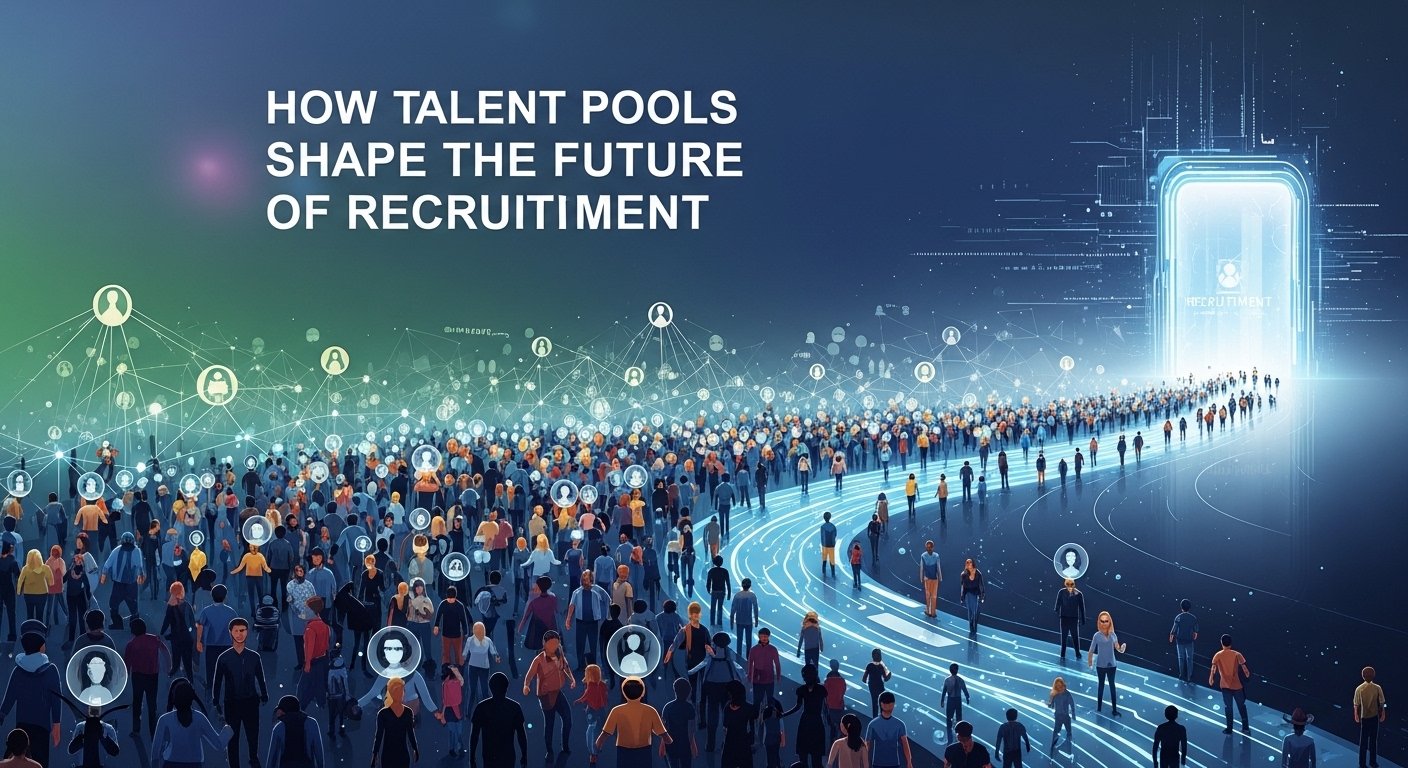
The landscape of recruitment is rapidly changing, driven by evolving organizational needs and the aspirations of top talent. Companies no longer wait for the right candidates to find them. Instead, they are actively building and engaging in talent pooling to stay ahead in the competitive hiring market. Talent pools are not just about having a list of names; they are about building meaningful relationships with potential candidates and creating a sustainable talent pipeline for current and future roles.
This proactive approach enables recruiters to swiftly address internal vacancies and adapt to market shifts by maintaining a pool of pre-vetted candidates, thereby reducing time-to-hire and cost-per-hire. Emphasizing cultural fit and long-term potential enhances talent quality, transforming hiring into a continuous, relationship-driven process rather than a reactive one. Talent pools also bolster employment brands and improve candidate experiences through transparent communication, ultimately enabling access to a diverse range of skilled individuals. Additionally, these pools support internal mobility and retention, fostering loyalty and a culture of continuous growth while aligning recruitment with broader business strategies.
The Strategic Advantage of Talent Pools
By maintaining organized databases of pre-screened and pre-engaged candidates, talent pools streamline hiring while reducing logistical hurdles. Recruiters no longer need to start searches from scratch, and hiring managers gain confidence from knowing strong candidates are already interested in their organization. This increased efficiency allows companies to respond quickly to new opportunities or sudden turnover, minimizing disruptive gaps in teams.
Talent pools are also uniquely positioned to support diversity and inclusion initiatives. By engaging candidates from a wider geographic and demographic sweep, employers can ensure broader representation. Strategic talent pooling can incorporate outreach to underrepresented groups, encouraging more equitable access to roles and leadership pathways. Consistent candidate engagement lays the groundwork for a more inclusive company culture and a wider range of perspectives on important business decisions.
AI and Automation in Talent Pool Management
The adoption of AI and automation in talent pool management is reshaping recruitment processes at an unprecedented pace. Advanced algorithms can process and categorize thousands of candidate profiles in minutes, reducing manual administrative tasks while avoiding human bias. Natural language processing identifies transferable skills and matches candidates to roles they might not have otherwise considered. Personalized email automation keeps candidates engaged and informed about new opportunities, upcoming events, or relevant company news.
The use of data-driven tools makes recruitment cycles more predictable and measurable. AI-powered platforms can assess the effectiveness of sourcing channels, diversity initiatives, or engagement campaigns, enabling HR teams to constantly refine their approach. This results in higher-quality matches and a seamless candidate journey from interest to hire. Companies leveraging AI in talent acquisition report better scalability and significant improvements in hiring outcomes.
Global Talent Sourcing
Expanding talent pools globally is becoming the standard approach for organizations seeking rare and in-demand skill sets. The ability to source and engage candidates from around the world enriches the talent pipeline with unique experiences and cultural viewpoints, which are fundamental to driving innovation and effective problem-solving in diverse markets.
Global sourcing does introduce complexity, however. Employers must balance local labor laws, language considerations, and expectations for compensation and benefits. Building relationships with talent in different locations requires cultural intelligence, flexibility, and a commitment to equal opportunity. For companies ready to make these investments, the return is a more adaptive and globally competitive workforce.
Internal Mobility and Retention
Internal mobility has grown into a central strategy for closing skill gaps and retaining institutional knowledge. Organizations increasingly look to their current employees as the first place to fill new or open roles, leveraging ongoing training, projects, and mentorships that foster continuous development. Employees who make internal moves are significantly more engaged and are more likely to remain with their employer for longer periods.
Modern talent pools extend beyond external recruitment to include internal talent marketplaces powered by AI that match employees with new challenges based on skill sets and career aspirations. This allows workers to envision a clear path of advancement and helps HR leaders proactively identify future leaders or succession planning gaps. Internal talent pooling encourages organizational loyalty and builds resilient teams ready to meet new demands.
Conclusion
Talent pools are more than a recruitment tactic; they are the foundation for agile workforce strategies that can transform modern organizations. By adopting talent pooling, embracing technology, and expanding global reach, companies place themselves ahead of the competition, improve diversity, and foster greater employee retention. As talent expectations continue to evolve, proactive, strategic talent management will be essential for building strong, future-ready organizations.