
 By Jude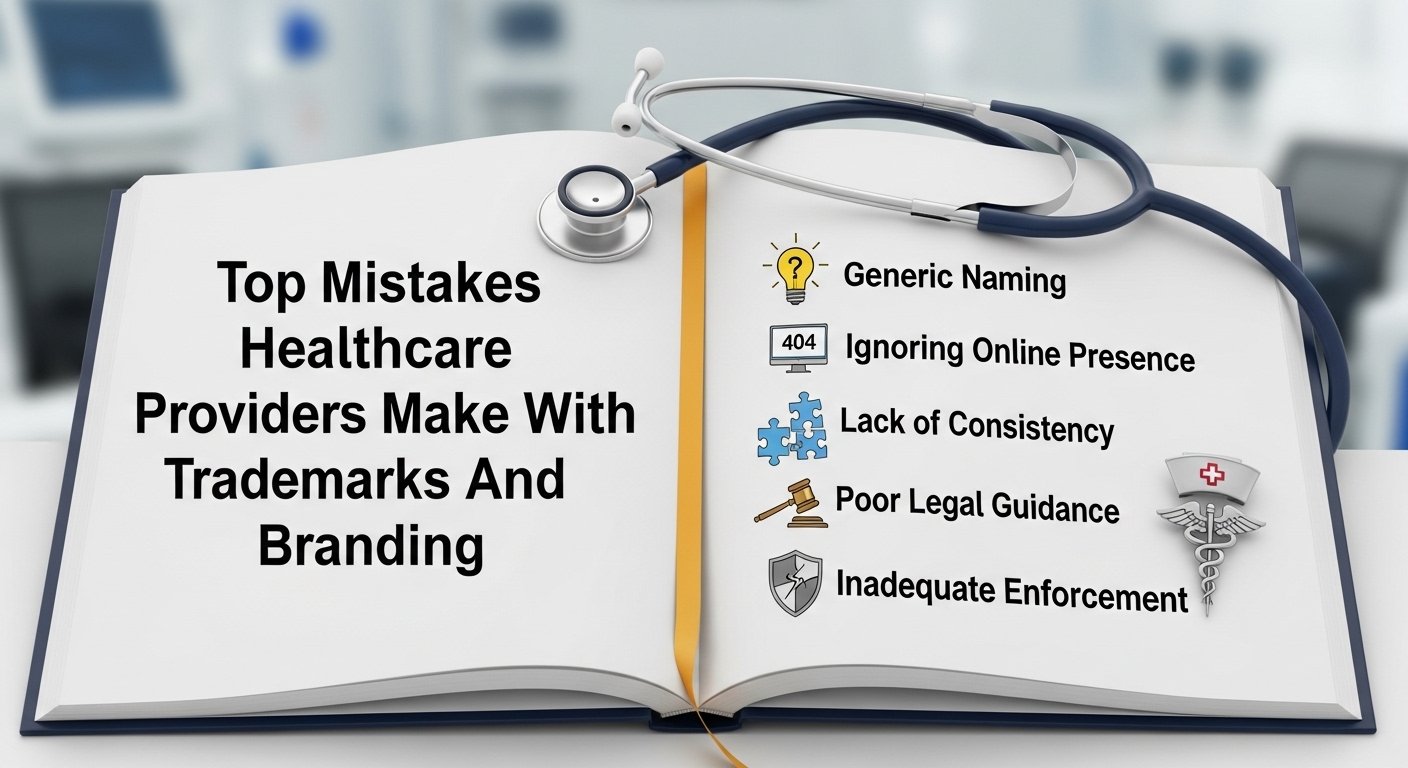
You care for patients. You protect health. Yet you may leave your name, logo, and reputation exposed. Many healthcare providers skip basic trademark and branding steps. Then a letter arrives. Or a lawsuit. Or a patient confused by a copycat clinic. This blog explains the top mistakes providers make with trademarks and branding. You will see how small choices about your practice name, website, and logo can trigger large problems. You will learn why a quick online search is not a real trademark search. You will see how weak contracts with designers and marketing firms can cost you control of your brand. You will also understand how branding missteps can fuel healthcare litigation. Clear examples and simple steps will help you protect your practice identity, trust with patients, and long term stability.
Mistake 1: Choosing A Name That You Cannot Own
You may love a clever practice name. Yet if another clinic already uses a similar name, you invite conflict. A name that sounds common or describes services usually stays weak. It becomes hard to protect. It also confuses patients.
Before you print signs, you should:
- Search the USPTO trademark database
- Check state business records and professional license lists
- Look at domain names and social media handles
If a similar name exists for related services, you should pick another name. You protect your future by changing early. You avoid a forced rebrand that drains time, money, and energy.
Mistake 2: Treating Logos And Taglines As Simple Artwork
Many providers see logos and taglines as artwork. Then they leave ownership with a designer or agency. That choice can haunt you when you grow, sell, or join a larger group.
Your logo, colors, and tagline link to patient trust. You should control them. A written contract should state that you own all rights to the logo and branding work. It should confirm that the designer transfers copyright to you upon payment. It should also state that the work is original and does not copy others.
Without clear ownership, you may need to redesign from scratch. You may face claims that you used images without permission. That conflict can follow you for years.
Mistake 3: Skipping Real Trademark Registration
Many clinics trust a business registration or domain name as proof of rights. That belief is false. Only a trademark gives stronger legal protection for your name and logo at a national level.
You can start by reading basic guidance from the USPTO trademark basics. You will see the difference between common law use and federal registration. You will also see what you must show to register.
When you register, you:
- Gain stronger tools to stop copycats
- Scare off would be infringers early
- Protect value if you join a network or sell your practice
Registration takes time and money. Yet the cost of a name dispute or forced rebrand is usually far higher.
Mistake 4: Ignoring Confusion Across Clinics And Service Lines
Large systems and group practices often reuse names. That reuse can blur lines between clinics, telehealth, and specialty units. Patients may not know which entity treats them. That confusion can spread to bills, consent forms, and complaints.
Every new service name should pass a simple test. It should be:
- Easy to say and spell
- Distinct from other units in your network
- Safe from mix ups with nearby providers
You protect patients and your staff when you cut confusion. Clear names also help when regulators review records or when families search for care.
Mistake 5: Weak Policies For Staff Use Of Brand
Your brand is not just a logo. It shows in every email signature, badge, and social media post. Without rules, staff may use old logos, wrong names, or home made graphics.
You should create simple brand rules that cover:
- Approved names and abbreviations
- Correct logo files and colors
- Who may speak for the practice online
Then you should train staff and review use each year. Clear rules cut risk of false claims, confusing posts, and wrong use of protected images.
Comparison: Strong Brand Practices Versus Common Mistakes
| Topic | Common Mistake | Stronger Practice
|
|---|---|---|
| Practice Name | Pick a name that sounds common or describes services | Pick a unique name after full federal and state searches |
| Logo Ownership | Let designer keep rights with no written contract | Use contract that assigns all rights to the practice |
| Trademark Protection | Rely on business registration and domain name only | Register key names and logos as trademarks |
| Brand Use By Staff | Allow each person to create their own materials | Follow clear brand rules and review use often |
| Growth And New Services | Reuse similar names that confuse patients | Plan names that stay distinct and avoid mix ups |
Mistake 6: Forgetting Digital Footprints
Your patients search online before they call. If your name appears with many versions, they may question your stability or safety. A rival with a similar name may catch your calls and messages.
You should:
- Secure matching domain names where possible
- Claim key social media handles even if you post rarely
- Keep contact details and logos the same across platforms
When all touchpoints match, families feel calm. They know they reached the right clinic. That trust matters when they face fear or pain.
Mistake 7: Waiting Until A Crisis To Seek Legal Help
Many providers call counsel only after a demand letter or lawsuit. By then, choices shrink. Costs rise. Stress spills into patient care.
Early review of your names, logos, and contracts can catch weak spots. A short check can prevent years of conflict. You also gain clear records that show you acted in good faith.
Simple Next Steps For Your Practice
You can start with three moves.
- List every name, logo, and tagline you use today
- Search public records and the USPTO database for conflicts
- Gather contracts with designers, marketers, and partners
Then you can update names that conflict, fix contracts that leave ownership unclear, and plan trademark filings for your strongest marks. You protect patients when you protect your name. A clear, steady brand helps families find you, trust you, and return when they need care again.