
 By Jude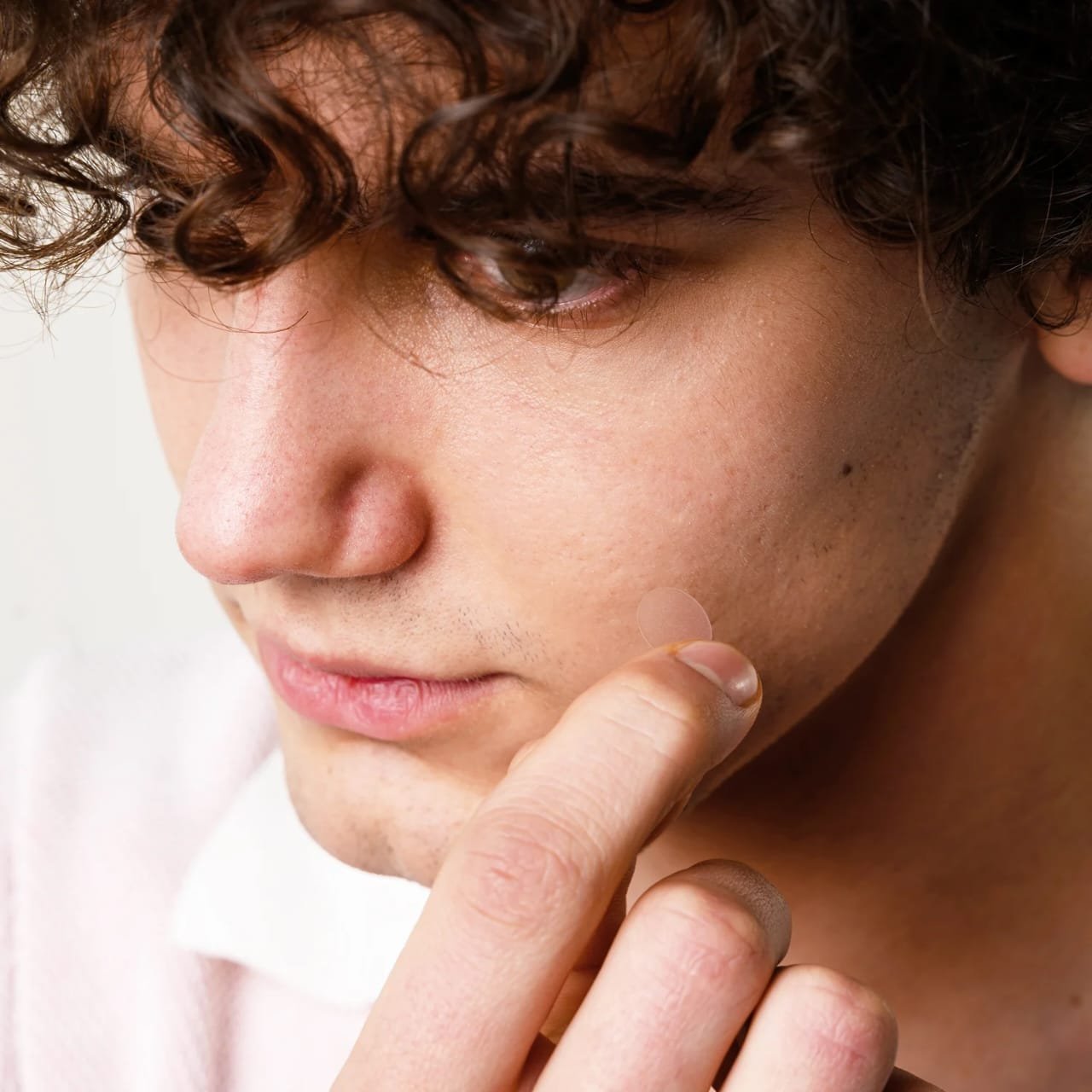
TL;DR: PanOxyl pimple patches usually fall off because of skin prep, product layering or placement issues. Small changes to how and when you apply them can make a big difference to how long they stay on.
PanOxyl pimple patches are designed to be simple. You stick one on and let it do its thing. But what happens if it starts peeling off after an hour? It means you’ve likely wasted that particular patch, but the good news is that it will have happened for a reason – which you can rectify.
The reality is that pimple patches rely on the right skin surface conditions to attach in the way they’re meant to. Even small amounts of oil, moisture or movement can interfere with how well they stick.
So, before looking at the right way to put them on, it helps to understand the most common reasons pimple patches fall off in the first place.
The Reasons Why PanOxyl Pimple Patches Can Fall Off
When PanOxyl pimple patches (or indeed any zit patches) won’t stay on, it’s almost always due to what’s happening on the skin underneath them. Adhesion depends on being able to create a seal. That can happen for a host of reasons.
Your Skin Isn’t Fully Clean and Dry
Hydrocolloid patches need direct contact with bare skin. Any leftover oil, cleanser residue, sweat or moisture creates a slippery surface that weakens adhesion from the start.
Other Products Were Applied First
Moisturizers, sunscreens and spot treatments can leave a thin layer on the skin, even when they feel dry. If a patch is applied on top of that layer, it’s far more likely to lift around the edges and eventually fall off.
The Patch Is on a ‘High-Movement Area’
Areas like the jawline, mouth and smile lines move constantly when you talk or eat. That repeated movement makes it harder for a flat patch to stay sealed, making it even more important to use a clean surface.
The Patch Is Too Small
If the patch you’re using only just covers the blemish you’re treating, there isn’t enough surrounding skin for the adhesive to grip. Patches need a small margin beyond the spot itself to stay flat.
Your Skin Produces Oil Quickly
If you have oily skin, sebum can come back even after you’ve cleansed. As that oil builds up under the patch, adhesion gradually weakens, especially during the day.
Sweatiness or Getting Wet
Sweating, humidity or getting your face wet for any reason can loosen patches. Just like with anything sticky, the seal around the edges is going to lift and peel away the moment water is introduced into the mix.
So, How Should I Put On Pimple Patches So They Stay On?
Ok, we now know what you should be avoiding, so now it’s time to turn our attention to the right way of doing things. Don’t worry, it’s pretty easy, and goes as follows.
- Cleanse the area gently and rinse thoroughly
- Pat the skin completely dry and wait a few seconds to ensure no moisture is left behind
- Apply the patch before moisturizer, sunscreen or makeup
- Choose a patch that fully covers the blemish with a small border of surrounding skin
- Place the patch on relaxed skin without stretching the area
- Press gently around the edges for several seconds to secure it
- Avoid touching, rubbing or adjusting the patch once applied
- Replace the patch when it becomes cloudy or saturated
This is essentially the long and short of it, and if you follow these instructions, you give the patches you wear the best chance of staying on – meaning they’ll do what you paid for them to do.
PanOxyl Pimple Patches – A Great Way to Get Better Results
It’s totally natural to feel shortchanged when those great pimple patches you bought don’t seem to be doing their job. However, as we’ve covered, patches like these are designed to do a very specific job, so when they can’t – it’s not normally because of the product. It’s because of how it’s being used.
Just remember to focus on skin prep, placement and timing, and you’ll avoid most adhesion problems. Then you can get on with enjoying the results they give you.