 By Casey Rivers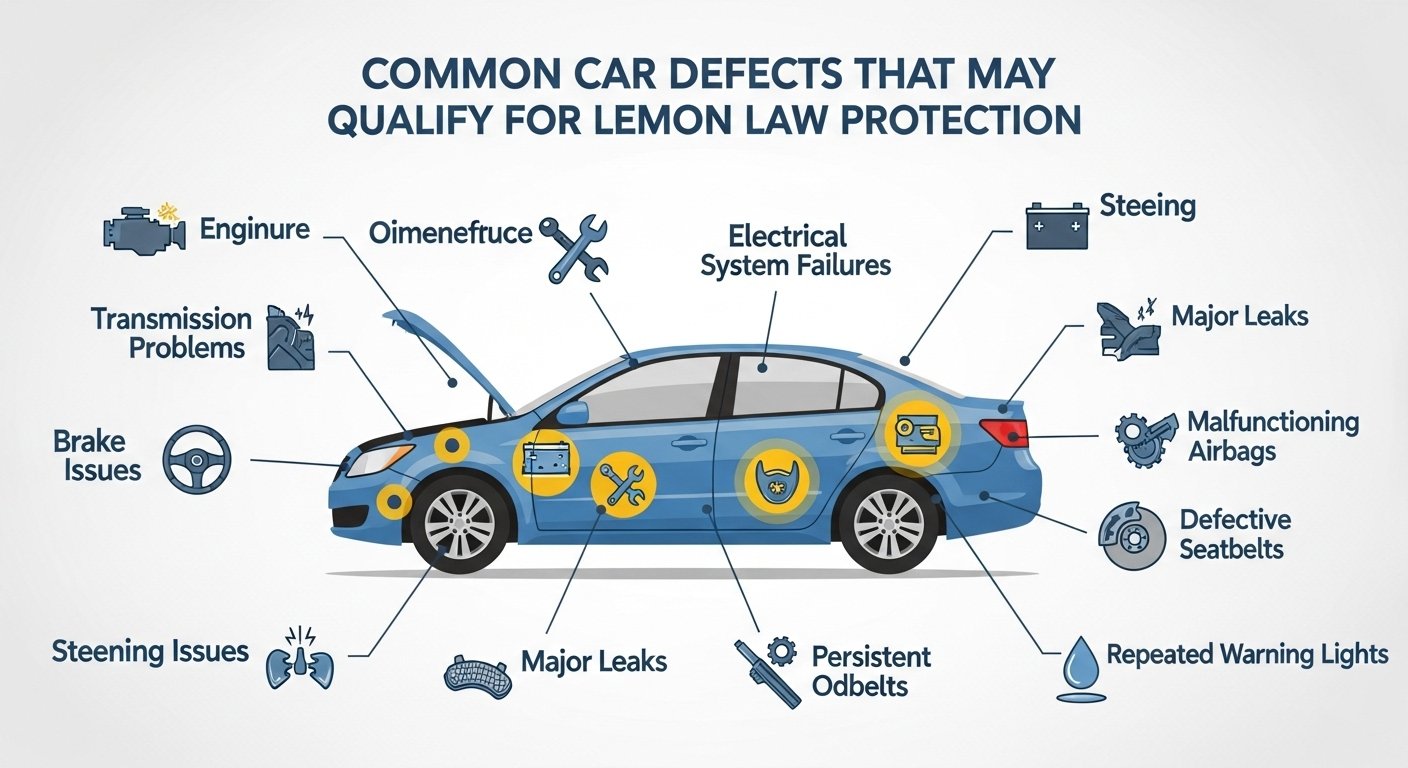
Buying a new vehicle should bring peace of mind to any consumer, but persistent car problems can quickly turn that dream into a costly, stressful nightmare. Defects in a newly purchased or leased vehicle do not just diminish its resale value; they also create ongoing inconvenience and may even pose serious safety risks to drivers, passengers, and others on the road. It’s frustrating when a vehicle that should be dependable spends more time at the repair shop than in your driveway. That’s why understanding which issues may qualify under lemon law statutes is so important. If you’re facing recurring issues despite repeated visits to the dealership or authorized repair facilities, consulting a South Dakota lemon law attorney as soon as possible is a prudent step toward protecting your rights and investment. A skilled lemon law lawyer can assess your situation, clarify your legal options, and help you secure compensation, a buyback, or a replacement vehicle when applicable.
Lemon laws were established at both the state and federal levels to provide much-needed protection for consumers saddled with vehicles prone to recurring or serious defects. These laws are designed to ensure that buyers are not left on the hook for manufacturers’ mistakes or systemic issues with major car components. If a manufacturer can’t properly repair covered defects in a reasonable number of attempts, or the car sits at the dealer for an excessive number of days, lemon laws can entitle buyers to replacements, repairs, or monetary compensation. Understanding the most common car problems that qualify will empower you as you gather documentation and pursue a claim effectively. Being informed smooths your journey to a fair resolution and prevents manufacturers from passing the buck on unresolved vehicle issues that compromise your safety or peace of mind.
Engine and Transmission Issues
Persistent engine and transmission defects are among the most prevalent categories of lemon law claims, as these crucial vehicle systems are vital to a car’s basic functionality, reliability, and safety. If your car is plagued by engine stalling at intersections, excessive oil consumption, overheating with no clear explanation, or abrupt loss of power while driving, these issues could mean much more than just a one-time inconvenience. Transmission problems such as rough shifting, delayed gear engagement, slipping out of gear, or complete transmission failure can render a vehicle unsafe or even hazardous during routine driving. If your vehicle unexpectedly shuts down while merging onto a highway or refuses to accelerate at critical moments, such defects could quickly escalate into dangerous situations. Additionally, repeated illumination of the check engine light, unexplained vibrations, or difficulty starting the engine are signs that should not be ignored. Chronic engine and transmission issues that persist after multiple documented repair attempts are central evidence for qualifying a claim under most state lemon laws. To strengthen your case, carefully record repair histories, service invoices, and communications with the dealership.
Brake System Failures
Serious brake system defects are a major safety threat if the brakes aren’t functioning as intended; both your safety and that of everyone sharing the road with you is at risk. Common warning signs include a brake pedal that feels unusually “spongy” or sinks too far when pressed, unresponsive or slow-to-react brakes, screeching or grinding noises, rapid wear of brake pads and rotors, and malfunctioning anti-lock braking systems (ABS). Inconsistent braking behavior, pulling to one side, or complete brake failure during use are especially dangerous and can cause catastrophic accidents. Experiences such as increased stopping distances or dashboard warning lights related to the braking system indicate the need for urgent attention. If these issues persist despite repeated documented repair attempts by authorized technicians, you may satisfy a crucial requirement for lemon law protection in your state. As with other defects, detailed repair orders and service records are essential for substantiating your claim.
Electrical System Malfunctions
Modern cars rely heavily on sophisticated and interconnected electrical systems, making electrical defects both common and sometimes complex to diagnose. Issues can manifest as electrical shorts, chronic battery drain, malfunctioning power windows or locks, erratic dashboard lighting, failing infotainment systems, or problems with essential safety features such as backup cameras, headlights, and taillights. In some cases, vehicles may display random warning messages, or vital systems may stop working intermittently at the most inconvenient moments. Problems such as malfunctioning windshield wipers or electronic stability control systems are not just inconvenient; they can compromise your safety by affecting your ability to see and react in poor weather or low-light conditions. These unpredictable failures are challenging for both drivers and repair professionals, often requiring multiple visits to troubleshoot. If, after repeated repairs, your car still faces electrical malfunctions that impact usability or safety, this strongly supports a lemon law case.
Steering and Suspension Problems
Defective steering and suspension systems are among the most troubling vehicle defects due to their impact on both handling and safety. A malfunctioning power steering system can lead to noisy, difficult, or “jerky” steering, while worn or faulty suspension components may result in excessive bouncing, knocking noises over bumps, or a sensation that the car “drifts” or pulls to one side even when aiming straight. Additional symptoms, such as uneven tire wear, a vibrating steering wheel, or wheel misalignment, can make a vehicle noticeably harder to control, especially during emergency maneuvers or in adverse weather conditions. Loss of responsiveness or a loose steering wheel can significantly increase accident risk. Because these issues directly affect your ability to keep the vehicle under control, unresolved steering or suspension defects are taken seriously by lemon law statutes and often lead to successful claims if documented repair attempts have failed to solve the problem.
Fuel System Defects
Defects in the fuel system are another major concern, as they can cause sudden breakdowns and, in some cases, pose fire hazards. Warning signs of fuel system trouble can include strong fuel odors either inside or outside the vehicle, hard starting, poor engine performance, stalling, or diminished fuel efficiency that seems unrelated to driving habits. Leaking fuel lines, faulty or noisy fuel pumps, and inconsistent or interrupted fuel delivery can cause engine hesitation or even a total loss of power. Because of the danger of fuel leaks that could cause explosions or vehicle fires, rapid professional assessment is crucial. Recurring fuel system defects, especially those that repeatedly require repairs or keep the car out of service for days on end, often receive particular attention in lemon law investigations. The National Highway Traffic Safety Administration offers guidance on identifying and preventing fire risks associated with fuel issues, which can be useful for consumers and repair professionals alike.
Airbag and Seatbelt Failures
Properly functioning airbags and seatbelts are your primary defenses during a crash, and any malfunction puts everyone inside the vehicle at significant risk. Typical airbag defects include airbags that do not deploy in an accident, deploy suddenly without a collision, or dashboard warning lights indicating trouble with the airbag system. Common seatbelt issues may include latching failure, failure to retract, or frayed materials. Unresolved defects in these essential safety systems should be considered urgent, as they signal a higher probability of injury or even death in the event of an accident. Most lemon laws consider ongoing defects in airbags or seatbelts, especially those that persist after repeated repairs, to be among the strongest bases for a valid claim.
Heating and Air Conditioning Issues
Though heating and air conditioning problems might seem less urgent than drivetrain or safety system failures, these climate control systems are crucial for comfort and, in many regions, basic safety. Issues may include total failure of the heater or air conditioner, inconsistent or unresponsive temperature controls, persistent foul odors from the ventilation system, or windshield defrosters that do not clear fog or ice properly. In extreme weather, faulty heating or cooling can leave drivers exposed to dangerous temperatures or reduced visibility, and the problem may qualify as a lemon law-eligible defect if repairs do not resolve it after several documented attempts. Not only does this diminish driving enjoyment, but it can also lead to unsafe driving conditions, especially if you cannot defrost your windshield in winter or cool your car in scorching heat.
Paint and Body Defects
While it’s true that paint and body issues are sometimes dismissed as minor cosmetic flaws, persistent problems with a vehicle’s exterior, like peeling or fading paint, premature rust, or water leaks into the cabin, go beyond mere appearance. These issues can lead to significant depreciation, interior damage, and future repair costs. Recurring defects that are not properly resolved by warranty work and that begin to affect long-term durability, or result in mold and corrosion, may qualify under lemon laws in many states. Water leaks that lead to electrical system malfunction or ruin carpeting and upholstery are particularly problematic. Documenting every repair attempt and the effect of the defects will help strengthen your case, even for defects that might otherwise seem minor at first glance.
As a consumer, knowing your legal rights when it comes to persistent vehicle defects is more than just practical, it’s your first line of defense against financial loss and unnecessary safety risks. By understanding which types of car problems most often lead to lemon law coverage, you can position yourself to demand proper repairs or seek fair compensation if your new or recently purchased vehicle repeatedly fails to perform as promised. When you recognize persistent problems, keep careful records and seek legal advice promptly to increase your chances of a timely, favorable resolution.