 By Jude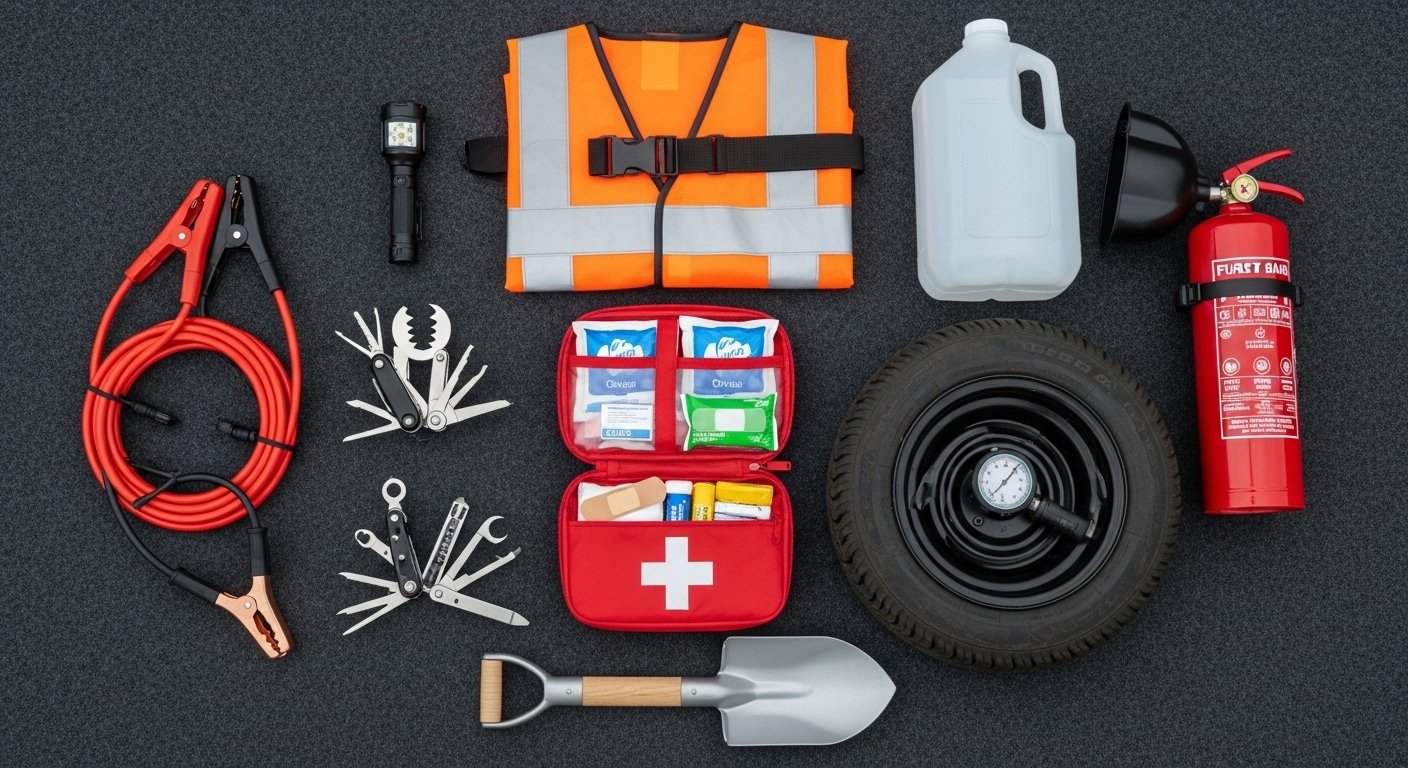
Emergencies on the road strike fast and without warning. You might face a dead battery, a flat tire, a sudden storm, or a serious crash. You cannot control other drivers. You can control how ready you are. This guide shows you what to keep in your car so you can act with calm and strength when trouble hits. You will see simple tools that help you stay safe, protect your passengers, and support first responders. You will learn what helps after a crash, from first aid supplies to contact information for a trusted car accident lawyer. You will also see how a small kit can prevent a bad moment from turning into a crisis. Preparation is not fear. It is respect for your life and the lives of others on the road.
Three goals for your emergency kit
Every item in your car should support three goals.
- Keep you and your passengers alive.
- Help other drivers see you.
- Help first responders reach you and help you.
When you choose what to pack, ask one clear question. Does this item help with at least one of these goals.
Must have safety gear
Some tools give you a better chance in almost every road crisis.
- Seat belt cutter and window breaker. Keep this within reach of the driver seat. Never hide it in the trunk.
- Flashlight with extra batteries. A small hand light helps you see and be seen at night.
- High visibility vest. Bright clothing helps other drivers see you if you must leave the car.
- Road flares or reflective triangles. Place them behind your car to warn traffic.
- Fire extinguisher. Choose one rated for car use. Store it where you can reach it fast.
The National Highway Traffic Safety Administration explains how visibility and safe stopping reduce crashes. You can read more guidance at NHTSA vehicle safety checks.
Medical supplies for the first minutes
The first few minutes after an injury can shape the rest of a life. You do not need medical training to give basic help.
- Gloves to protect your hands.
- Gauze pads and clean cloths for bleeding.
- Adhesive bandages for small cuts.
- Elastic bandage for sprains.
- Adhesive tape and small scissors.
- Instant cold packs.
- Any personal medicine that you or your child might need fast.
The American College of Surgeons and many trauma experts agree on one clear rule. Stopping bleeding early saves lives. You can study simple bleeding control steps at the Stop the Bleed training site from a national education program.
Tools to keep the car moving
Some problems are small. You can often fix them long enough to reach a safe place.
- Spare tire, jack, and lug wrench. Check them twice a year.
- Jumper cables or a jump starter. A dead battery is common and stressful.
- Tire pressure gauge. Low pressure can lead to a blowout.
- Tire inflator or sealant. This can help you reach a repair shop.
- Basic tool kit. Include screwdrivers, pliers, and an adjustable wrench.
Short checks before trips reduce breakdowns. The Federal Motor Carrier Safety Administration lists simple inspection steps that also apply to family cars. You can review them at FMCSA inspection tips.
Comfort and survival supplies
You may sit on the side of the road for a long time. You may wait for help during bad weather or at night.
- Water for every person in the car.
- Non perishable snacks such as nuts or bars.
- Blankets or emergency foil blankets.
- Rain ponchos and simple work gloves.
- Phone charger that works from the car outlet.
- Paper map in case your phone dies or the signal fails.
These items protect children and older adults who feel cold or heat faster. They also keep stress lower while you wait for help.
Information you should always have
Written information can be as important as tools.
- Copy of your driver license and registration.
- Insurance card.
- List of emergency contacts.
- List of medicines and allergies for each family member.
- Names of your doctor and your child doctor.
- Contact for a trusted tow service.
- Contact for a trusted legal helper for crash follow up.
Store one copy in your glove box. Keep one photo of these documents on your phone. This simple step can speed care and reduce confusion during a tense moment.
Sample emergency kit checklist
| Item type | Example items | Use during
|
|---|---|---|
| Safety and visibility | Flashlight, vest, flares, window breaker | Night stop, roadside break down, crash |
| Medical | Gauze, gloves, bandages, cold packs | Injury, bleeding, minor cuts |
| Car repair | Spare tire, jack, jumper cables, tools | Flat tire, dead battery, loose parts |
| Comfort and survival | Water, snacks, blankets, ponchos | Long wait, extreme heat or cold |
| Information | Insurance, contacts, medical list | Crash report, medical care, towing |
How to store and maintain your kit
First store heavy items low and near the center of the car. This reduces the risk that they turn into flying objects during a crash. Next place the tools you may need fast near the driver seat. For example your window breaker, flashlight, and phone charger.
Then set three dates each year to review your kit. Many drivers choose the start of each season.
- Test your flashlight.
- Check expiration dates on medicine, food, and cold packs.
- Check air in the spare tire.
- Update contact lists.
Teach your family the plan
Your kit works best when every person in the car understands it.
- Show children where the blankets, water, and snacks are.
- Explain how to stay in the car unless you say it is safe to step out.
- Teach teens how to use the hazard lights, flares, and basic tools.
Clear practice reduces panic. It gives each person a small job that builds courage during hard moments.
Take one simple step today
You do not need to buy everything at once. First gather what you already own. Then add a few missing pieces each month. Every new item in your car is one more promise that you will not face the next emergency empty handed.