
 By Casey Rivers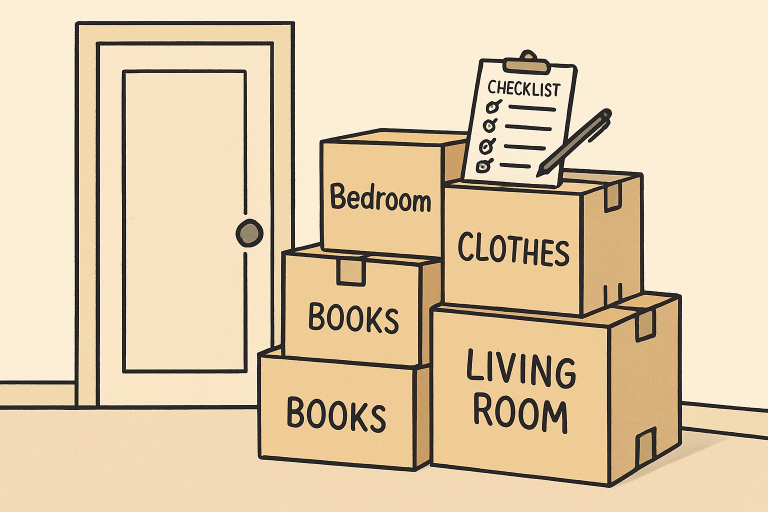
Moving to a new home can be both a thrilling adventure and a significant source of stress. The process involves countless details and decisions, but with the right approach, you can manage your move with confidence and efficiency. Planning, staying organized, and embracing practical strategies can transform what seems like chaos into a smooth transition. If you are looking for local expertise to guide you, consider working with trusted professionals like Checkmate Moving to support every stage of your move.
Whether you are a seasoned mover or relocating for the first time, there are clear steps you can take to reduce overwhelm and achieve a more seamless transition. This guide walks you through each phase, from developing a timeline to unpacking in your new home, providing you with actionable advice to ensure your move is as stress-free and straightforward as possible. By breaking down the process into manageable parts and tackling key tasks in the correct order, you give yourself a head start toward a successful relocation.
Preparing for your move doesn’t just protect your belongings. It also shields your peace of mind during what can be an emotionally charged time. You want to save time and energy for the exciting aspects of moving, like settling into your new community and making new memories. Implement an innovative approach that pays off at every step.
Another critical aspect of preparing for a move is addressing any questions you may have about moving logistics, from utility transfers to insurance needs. Sites like Real Simple’s Moving Checklist offer thorough resources to help you plan every detail of your move with confidence.
Start with a Smart Timeline
Success starts with structure. Map out your moving schedule well in advance, breaking tasks into weekly targets to keep you on track. Even for short-distance relocations, early preparation can lift the weight of last-minute scrambling. Giving yourself two to three weeks to prepare allows you to handle each phase thoughtfully, making the process less overwhelming for everyone involved.
Prioritize Tasks by Week
- Week One: Focus on decluttering and organizing. Move methodically, tackling one room at a time and letting go of anything you no longer need or love.
- Week Two: Pack items you do not use every day, such as decorative pieces, off-season clothing, and books.
- Final Week: Box up everyday essentials, double-check your moving logistics, and finalize transportation plans.
Adhering to this structure prevents packing fatigue and builds momentum as moving day approaches.
Declutter Before You Pack
Moving locally often tempts homeowners to bring it all, but less is more. Evaluate every item with fresh eyes. Create piles to keep, donate, sell, or throw away. Cleansing your space before you pack not only lightens your load but also sets a minimalist tone for your new home.
If time is short or motivation is low, enlist the help of professional packers. They organize, label, and pack efficiently so your move requires less lifting and thinking on your part. Decluttering before moving day ensures you save on transport costs, require fewer trips, and spend less time unpacking things you do not need.
For more on the psychological benefits of decluttering before a move, consult articles from Real Simple, which covers expert advice on letting go of unnecessary items and making a home feel fresh.
Use Smart Packing Techniques
Protect your belongings by embracing thoughtful packing strategies. Write the contents and destination room on the side of every box; this small detail saves hours of confusion during unloading. Use towels, T-shirts, or blankets to cushion fragile items, reducing the need for disposable packing material. Dishes should be packed vertically, similar to records, to absorb shocks. Tape the bottoms of your boxes well to avoid mishaps.
- Label Everything: Box labeling avoids disarray and helps movers know exactly where things go.
- Soft Items as Padding: Wrap breakables with clothing to combine packing and padding.
- Pack Vertically: Plates packed on edge withstand bumps better than if laid flat.
Keep Essentials Accessible
On moving day, prepare an essentials bag with items for your first 24 hours: medications, toiletries, chargers, snacks, and a change of clothes. Important documents and cleaning supplies should also be on hand. Keeping essentials close will spare you the hassle of rummaging through boxes when you are tired and want to get settled.
Set Up Utilities and Update Your Address
The last thing you want is to arrive at your new home and find that there is no electricity or water. Schedule all essential utilities to be turned on before you move, and set overlapping dates to avoid service interruptions. Notify banks, post offices, subscription services, and insurance providers of your new address so essential mail is never lost or delayed.
Consider Professional Movers
While a DIY move can seem appealing, professional movers can make the process exponentially easier, especially for those with many belongings or limited time. Look for providers with strong reviews and transparent pricing. Obtain written estimates, clarify insurance coverage, and ask whether they offer extras such as packing assistance or short-term storage. The value of skilled movers shows in how they handle unforeseen challenges, such as navigating tight spaces or managing delicate furniture.
Stay Organized with a Moving Checklist
A detailed moving checklist is your best friend throughout this journey. Include packing quotas, utility transfers, address change reminders, and bookings for movers or rental trucks. Divide larger tasks into room-by-room lists or weekly check-ins. Keeping your checklist up to date ensures you never overlook crucial details during your busy schedule.
Conclusion
Simplifying your next move is possible with careful planning, strategic decluttering, and smart organization. Start early, keep essentials nearby, and do not hesitate to seek professional support or reference online moving resources. The goal is to remove the chaos from moving and replace it with excitement for your fresh start. With these tips, you can step confidently into your new space and begin making it feel like home.